
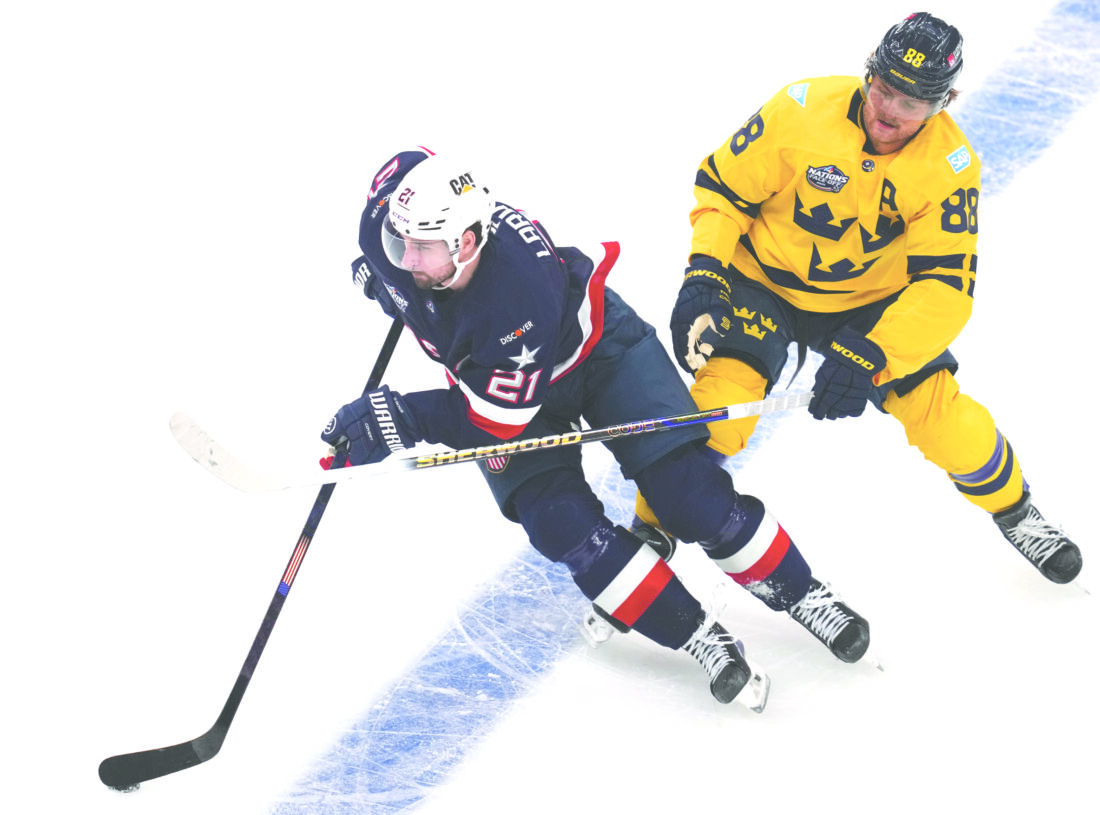
Every four years, the entire hockey community gets a huge post-holiday gift: the Olympic Games. There’s something magical about Olympic hockey that goes far beyond entertainment. It delivers timeless lessons in determination, teamwork, execution under pressure, and the importance of playing for something bigger than individual stats or even team trophies. These athletes aren’t just playing for themselves—they’re playing for an entire nation.
Whether your ultimate Olympic hockey moment was Team USA’s Miracle on Ice in 1980, Sidney Crosby’s unforgettable overtime winner for Team Canada in 2010, or something else entirely, the upcoming games in February offer more than highlight-reel goals. They give players, coaches, and parents a rare chance to watch the highest level of preparation collide with the highest level of pressure—and to pull valuable lessons that apply at every age of the game.
Playing for Something Bigger Changes Everything
One of the most powerful elements of Olympic hockey is the motivation behind it. Players aren’t chasing contracts, endorsements, or individual awards. They’re wearing their country’s crest. That sense of responsibility creates a heightened level of focus and intensity.
For young players, this is a crucial lesson. When the goal becomes bigger than “I want to score” or “I want to be the best player on my team,” effort changes. Players backcheck harder. They finish drills with purpose. They take practice seriously because they understand that what they do today affects everyone tomorrow.
Coaches and parents can help translate this by reframing youth hockey goals. Playing for your line. Playing for your team. Playing for the kid next to you who worked just as hard to be there. Olympic hockey shows us that when players buy into a shared mission, performance rises naturally.
Preparation Is What Shows Up Under Pressure
The Olympics are packed with dramatic moments, but what makes them so compelling is knowing how much preparation sits behind a single play. The most famous example is Team USA’s Miracle on Ice. The upset over the Soviet Union didn’t happen because the Americans suddenly became better players that day—it happened because they were exceptionally prepared, conditioned, and mentally committed to a system they trusted.
Fast forward 30 years to the 2010 Vancouver Olympics, and the lesson still holds. Sidney Crosby’s overtime gold-medal goal against the U.S. didn’t come from improvisation alone. It came from years of repetition, situational awareness, and confidence built through countless pressure-filled reps. When the moment arrived, his body and mind already knew what to do.
For youth players, this is a powerful reminder: pressure doesn’t create skill—it reveals it. What shows up in games, tryouts, and big moments is whatever has been practiced consistently. Olympic hockey reinforces that preparation isn’t flashy, but it’s everything.
Simulating Pressure Builds Confidence
One reason Olympic moments resonate so deeply is because of the stakes. Every shift matters. Every mistake is magnified. The whole world is watching. This intensity can be difficult to recreate at your local rink, but it’s not impossible to simulate parts of it.
Training that includes time constraints, scoring challenges, competition, and consequences helps players learn how to perform when their heart rate rises. Olympic players don’t panic when the puck comes to them in a critical moment because they’ve trained in environments that demanded focus and execution.
For parents and coaches, this means encouraging practice setups that challenge players mentally—not just physically. Competing against a clock, beating personal bests, or hitting specific targets under pressure with interactive shooting video games like Snipe Lights teaches players how to stay composed. Over time, that confidence carries into real games.
Teamwork Still Wins at the Highest Level
Olympic hockey is a powerful reminder that even the most talented rosters need structure and trust. Star players sacrifice ice time, accept unusual roles, and commit to systems for the good of the team. Defensemen make simple plays to avoid mistakes. Forwards sacrifice their bodies to block shots. Everyone buys in.
This is especially important for young players who are still learning that hockey isn’t about individual highlights. Olympic teams succeed because players understand spacing, communication, and responsibility. Goals often come from smart positioning and quick decisions—not solo efforts.
Watching Olympic games with young players and pointing out these details can be incredibly valuable. The quiet plays. The smart changes. The defensive stops that never make the highlight reel but win games.
The Emotional Impact Lasts a Lifetime
Ask any hockey fan where they were when Crosby scored that overtime goal in 2010 or when the final buzzer sounded in Lake Placid in 1980, and they’ll remember instantly. Olympic hockey creates emotional connections that last for a lifetime. Those moments inspire kids to pick up sticks, stay late after practice, and dream bigger.
For parents, that inspiration matters. It reinforces why the early mornings, long drives, and extra practices are worth it. For players, it creates role models who demonstrate not just skill, but resilience, humility, and pride.
Bringing Olympic Lessons Home
You don’t need an Olympic rink or a national jersey to apply these lessons. Olympic hockey reminds us that success comes from preparation, purpose, and commitment to something bigger than ourselves. It shows young players that confidence is built long before the spotlight arrives—and that teamwork is more important than anything else, even at the highest level of the game.
When the games start in February and the world tunes in, take some time to watch some hockey games with your family, teammates, or friends. Not just for the goals, but for the habits, decisions, and effort behind them. Because while only a few will ever compete in the Olympics, the lessons from Olympic hockey belong to every player, coach, and parent who loves the game.
Related links:
Portable Power: How Snipe Lights Turn Hockey Training into a Real-Life Video Game
How Interactive Hockey Training Targets Can Transform Backyard, Driveway, or Basement Practice
A Perfect NHL Playoff Goal Shows Why You Should Use Snipe Lights