
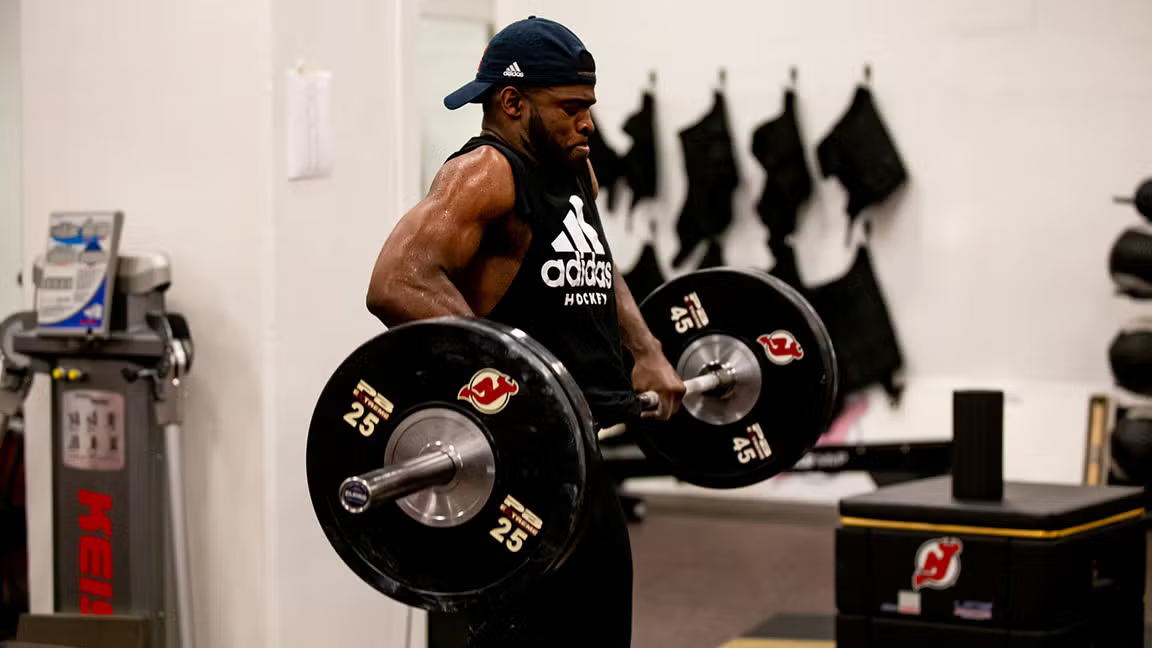
Now that the NHL season is over, you may think that NHLers are just sleeping in, playing golf, and working on their tans for a while.
Think again.
The best hockey players in the world don’t stay the best hockey players in the world by taking the summer off. The offseason is only the beginning of all the preparation and training needed to make next season the best season of their lives. And this can be true for players of all ages and skill levels. It’s an opportunity to out-train your opponents and gain advantages in stamina, mechanics, and strategy.
Let’s get into what the most elite players in the world do after the playoffs are over.
Recovery Comes First
After an 82-game NHL season, plus playoffs for many players, the body needs time to heal.
Most NHL players begin their offseason with a short recovery period. This doesn’t mean sitting on the couch for a month. Instead, it often includes light exercise, mobility work, stretching, swimming, and treatment for nagging injuries.
Recovery allows players to reset physically and mentally before beginning the hard work of training.
For youth hockey players, recovery is just as important. A few weeks away from intense competition can help prevent burnout and keep the game fun.
Strength and Conditioning Become the Priority
Once recovery is complete, NHL players spend significant time in the gym.
Offseason strength training focuses on building explosive power, improving balance, increasing endurance, and reducing injury risk. Players work on everything from lower-body strength to core stability and rotational power that translates directly to skating and shooting.
Common offseason exercises include:
- Squats and deadlifts
- Single-leg balance work
- Plyometric jumps
- Sprint training
- Core and rotational exercises
- Mobility and flexibility training
The goal isn’t simply to get bigger. The goal is to become a faster, stronger, more explosive hockey player.
Shooting Thousands of Pucks
One of the biggest differences between elite players and everyone else is repetition.
Many NHL players shoot thousands of pucks throughout the summer. They work on wrist shots, snapshots, one-timers, backhands, and shooting in stride.
The focus isn’t just quantity. It’s quality.
Players concentrate on accuracy, release speed, puck control, and consistency. They often create game-like situations to make practice more realistic and challenging.
This is where tools like interactive electronic hockey targets Snipe Lights can make a huge difference for developing players. Instead of simply firing pucks at an empty net, players get immediate visual targets, scoring feedback, and engaging games that encourage focused repetition. The more fun training becomes, the more likely players are to stick with it all summer long.
Skill Development Never Stops
NHL players constantly work on refining specific parts of their game.
A defenseman may focus on puck retrievals and breakout passes. A forward may work on deceptive releases and quick hands in tight spaces.
Even superstars continue improving.
Players often hire specialized skills coaches to help fine-tune mechanics and identify areas for growth. They know that small improvements can create major advantages during the season.
Young players can benefit from the same mindset. Instead of trying to improve everything at once, choose one or two skills and make them a summer priority.
Examples include:
- Quicker shot release
- Better puck handling
- Improved passing accuracy
- Faster decision-making
- More accurate shooting
Consistent practice compounds over time.
Skating Work Continues Off the Ice
While ice sessions remain important, NHL players spend plenty of time improving skating away from the rink.
Off-ice training develops:
- Explosive first-step speed
- Balance and stability
- Agility
- Lateral movement
- Lower-body strength
Many drills mimic skating mechanics to build muscle memory and power.
For younger players who may not have year-round ice access, off-ice training can be one of the most effective ways to continue improving during the summer.
Mental Training Matters More Than You Think
The physical side of hockey gets most of the attention, but mental preparation is equally important.
Many NHL players spend time working on:
- Visualization
- Focus
- Confidence
- Goal setting
- Game analysis
They watch video, study their own performance, and prepare mentally for next season.
A player who believes in their abilities and stays focused under pressure often has a significant advantage over equally skilled opponents.
Making Practice Competitive
One thing NHL players understand is that competition drives improvement.
That’s why many offseason workouts include games, challenges, and measurable goals.
Rather than simply shooting 100 pucks, players compete against personal bests, training partners, or specific targets.
This is one reason why Snipe Lights has become such an effective training tool for hockey players. Interactive target games transform ordinary shooting practice into a competitive challenge, helping players stay motivated while developing accuracy and consistency.
When practice feels like a game, players naturally put in more reps.
What Youth Players Can Learn From NHL Offseason Training
You don’t need a professional training staff or NHL contract to train like the pros.
The biggest lesson from NHL offseason training is simple:
Consistency beats intensity.
Most NHL players aren’t looking for one magical workout or secret drill. They’re focused on stacking quality training sessions day after day, week after week.
Young players can follow the same approach by:
- Practicing shooting regularly
- Building strength and athleticism
- Working on specific skills
- Recovering properly
- Setting measurable goals
- Making training enjoyable
Over time, those small improvements add up.
Start Building Next Season Today
The players who improve the most during the summer often see the biggest results when the season starts.
While your competition is taking time off, you can be developing a faster release, more accurate shot, stronger skating stride, and greater confidence.
Whether you’re training in the driveway, garage, basement, backyard, or at the rink, the key is finding ways to stay consistent and engaged.
Tools like Snipe Lights help players turn offseason practice into an interactive hockey shooting game that develops accuracy, encourages repetition, and makes training something players actually look forward to.
Because the next hockey season isn’t won when the puck drops in the fall.
It’s built during the summer.
Related links:
Why Hockey Is One of the Best Full-Body Workouts You Can Get
What Is Hockey IQ and How Can I Improve Mine?
Sniping Like Mitch Marner: How to Teach Players His Signature Stanley Cup Finals Release