

Summer is a welcome break from early morning practices, weekend tournaments, and the grind of a long hockey season. But as the first practices of a new season approach, many players experience something they don’t expect: their confidence feels lower than it did just a few months ago.
If you’ve ever stepped onto the ice after a long break and thought, “Why don’t I feel as sharp?” you’re not alone.
The good news is that this feeling is completely normal. Confidence, focus, and timing aren’t permanent traits—they’re skills that return with consistent practice. Whether you’re getting back on the ice or working at home with interactive hockey training tools like Snipe Lights, understanding the mental side of returning to hockey can help players rebuild confidence much faster.
Why Returning to Hockey Feels Difficult
Many players assume that once they’ve learned a skill, it should always be there. In reality, the brain and body work together to maintain athletic performance, and both benefit from regular practice.
During extended breaks, several things naturally happen:
- Reaction time slows slightly.
- Timing becomes less automatic.
- Decision-making requires more conscious thought.
- Confidence decreases because successful repetitions become less recent.
Notice that none of these mean a player has become worse. They’re simply experiencing what sports scientists call detraining, a temporary reduction in performance that occurs when specific skills aren’t practiced regularly.
The good news is that these skills usually return much faster than they took to learn the first time.
Confidence Comes From Evidence
One of the biggest misconceptions in sports is that confidence is something players either have or don’t have.
In reality, confidence is built through evidence and success.
Every accurate shot, perfect pass, and well-executed drill gives the brain another piece of evidence that says:
“I can do this.”
Conversely, long breaks reduce the number of recent successful experiences the brain can recall. That’s why players often feel uncertain during their first few skates back.
Instead of trying to “feel confident,” players should focus on collecting small wins every day, like:
- Ten good shots.
- Five crisp passes.
- One successful deke.
These small victories accumulate into genuine confidence.
Players who stay engaged with hockey throughout the summer often have an easier transition back into the season. Even a few short shooting sessions each week can help maintain muscle memory, timing, and confidence, making those first practices feel less intimidating.
That’s one reason many families enjoy using Snipe Lights during the offseason. The interactive games make practice fun enough that players actually want to keep shooting, so when preseason arrives, they’re not starting over—they’re building on the skills and confidence they’ve maintained all summer.
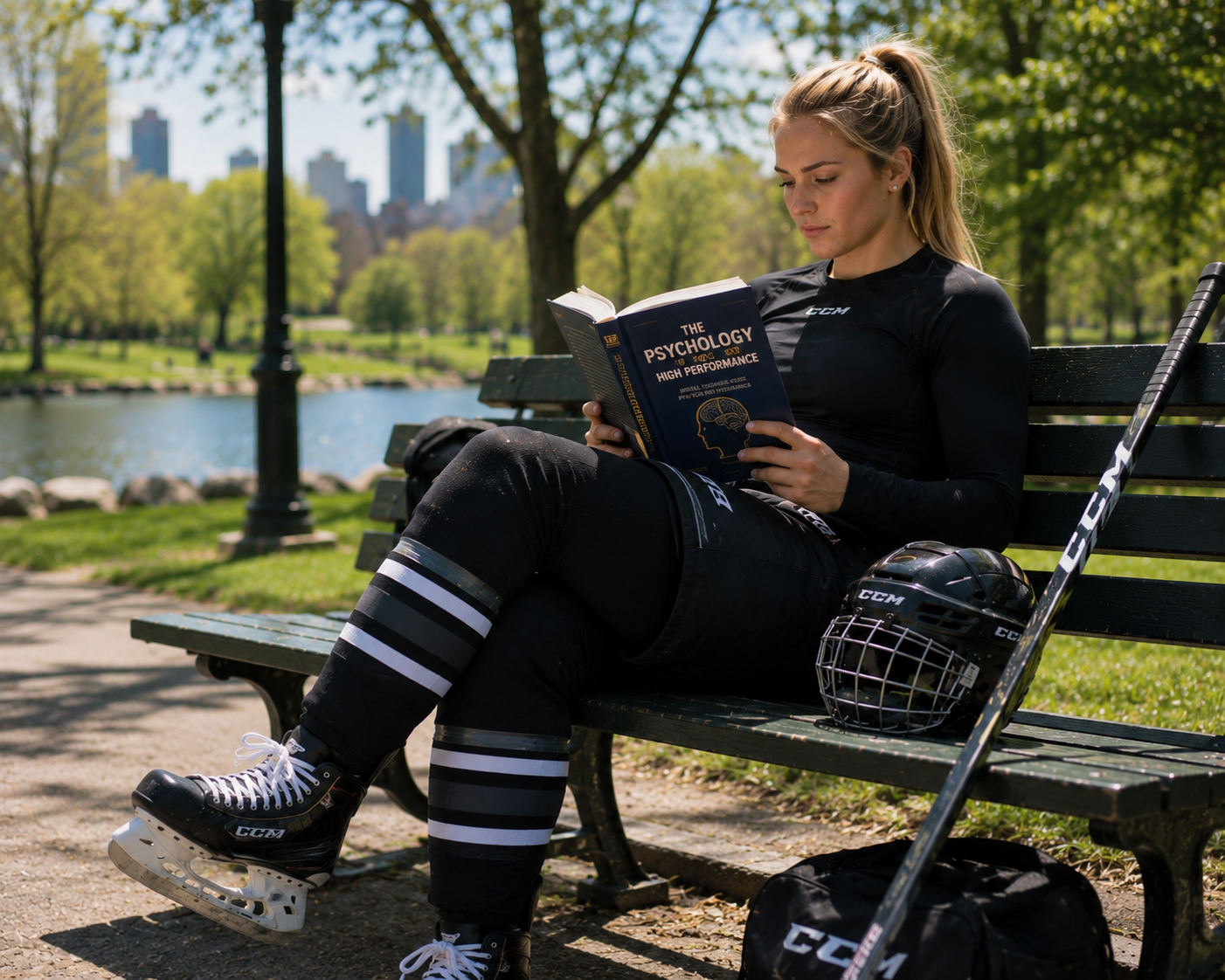
Why Your Brain Loves Repetition
The human brain is remarkably efficient. Every time a player repeats a movement correctly, the neural pathways controlling that movement become stronger.
This process, often called muscle memory (though it’s really the brain doing the work), allows skills to become automatic.
When players return after time away, those pathways haven’t disappeared—they simply need to be strengthened again.
That’s why short, focused practice sessions often outperform long, exhausting workouts.
Twenty minutes of quality repetitions several times each week is usually more valuable than one marathon practice on the weekend.
Managing Preseason Nerves
Many players compare themselves to teammates during the first few practices.
- Someone appears faster.
- Someone’s shot looks harder.
- Someone seems ready for midseason already.
This comparison creates unnecessary pressure.
Remember that every player’s offseason is different. Some attended camps. Others played other sports. Some took a complete break.
The only meaningful comparison is between today’s version of yourself and yesterday’s.
Improvement isn’t a race against teammates.
It’s a process of becoming a little better each day.
Focus on Process, Not Perfection
One of the fastest ways to lose confidence is chasing perfection.
Instead of measuring every practice by goals scored or mistakes made, focus on controllable actions:
- Did I give full effort?
- Did I stay engaged?
- Did I practice with purpose?
- Did I improve one small skill today?
This mindset shifts attention away from outcomes and toward growth.
Ironically, players who stop obsessing over perfect results often perform better because they’re more relaxed and focused.
Build Confidence Before You Step on the Ice
Confidence doesn’t begin at the rink.
It starts with preparation.
Many players benefit from practicing shooting, puck control, and quick decision-making at home before organized practices begin. Regular off-ice training helps restore rhythm and reinforces positive habits, making that first week back feel much less intimidating. Interactive electronic training systems like Snipe Lights can add immediate feedback and fun competition to those practice sessions, helping players stay engaged while accumulating the successful repetitions that build confidence.
The goal isn’t to become perfect in the driveway or basement.
It’s simply to remind your brain that you’re capable.
The Power of Positive Self-Talk
Every athlete has an internal voice.
The question is whether that voice helps or hurts performance.
Instead of saying:
“I can’t believe I missed that shot.”
Try saying:
“That one missed. The next one will be better.”
Instead of:
“I’m rusty.”
Try:
“I’m getting sharper every practice.”
This isn’t pretending mistakes don’t happen.
It’s choosing language that encourages improvement rather than reinforcing doubt.
Set Small Goals That Lead to Big Improvements
Large goals can feel overwhelming.
Smaller goals create momentum.
Examples include:
- Shoot 50 pucks three times this week.
- Improve accuracy by hitting each corner of the net.
- Practice quick releases for 15 minutes.
- Complete every workout with full effort.
- Spend five minutes visualizing successful shifts before bed.
Achieving these manageable goals provides constant reinforcement that progress is happening.
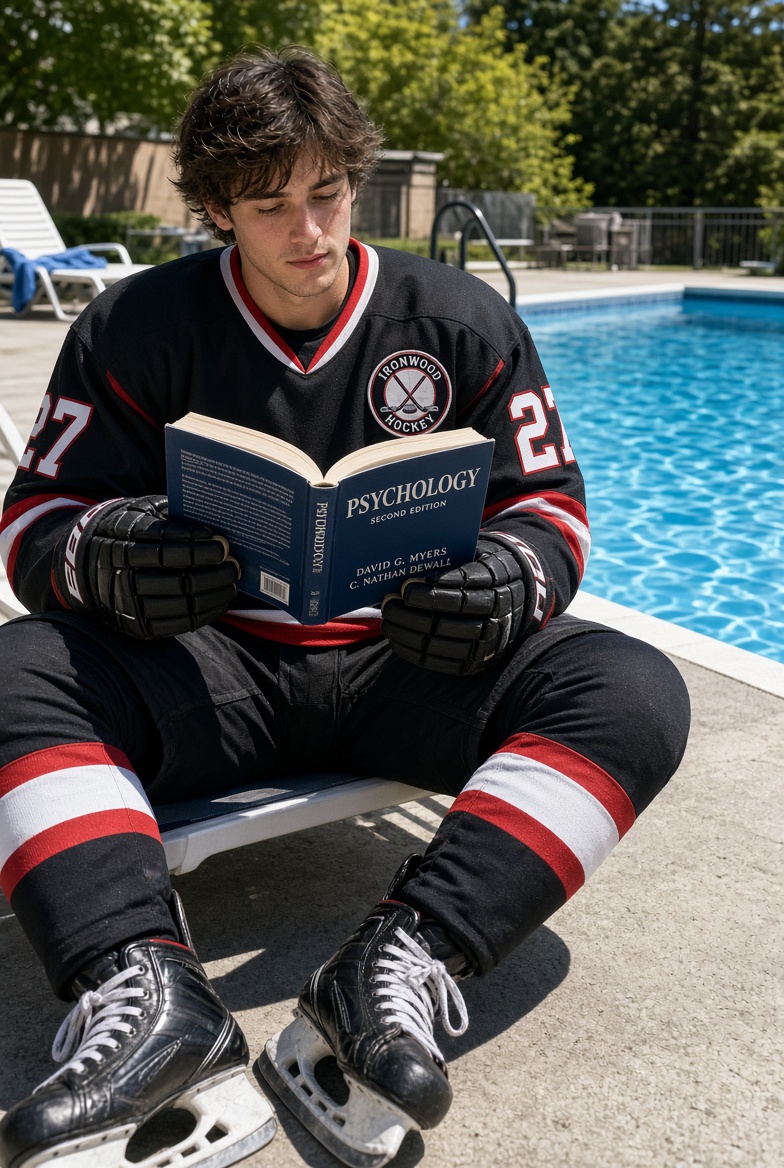
Remember Why You Love the Game
As the season approaches, it’s easy to become consumed by tryouts, ice time, statistics, and expectations.
Don’t lose sight of why you started playing hockey in the first place.
- The excitement of scoring a goal.
- The satisfaction of making the perfect pass.
- The friendships.
- The competition.
- The simple joy of skating.
Players who reconnect with that enjoyment often play looser, learn faster, and perform with greater confidence.
Final Thoughts
Returning to hockey after a long break is as much a mental challenge as a physical one. Nearly every player experiences a period of adjustment, and that’s perfectly normal. Confidence isn’t something that magically appears on opening day—it’s earned through consistent effort, positive experiences, and patient practice.
Whether you’re getting extra reps at the rink or practicing at home with gamified hockey shooting targets like Snipe Lights, remember that every quality repetition strengthens both your skills and your belief in yourself.
Stay patient, trust the process, and keep showing up. By the time the season is in full swing, you’ll likely discover that the confidence you thought you’d lost was simply waiting to be rebuilt—one shot, one drill, and one practice at a time. Related links:
What Is Hockey IQ and How Can I Improve Mine?
How NHL Players Train In The Offseason
Gamified Hockey Training Explained: How Digital Hockey Targets Improve Skill Development